
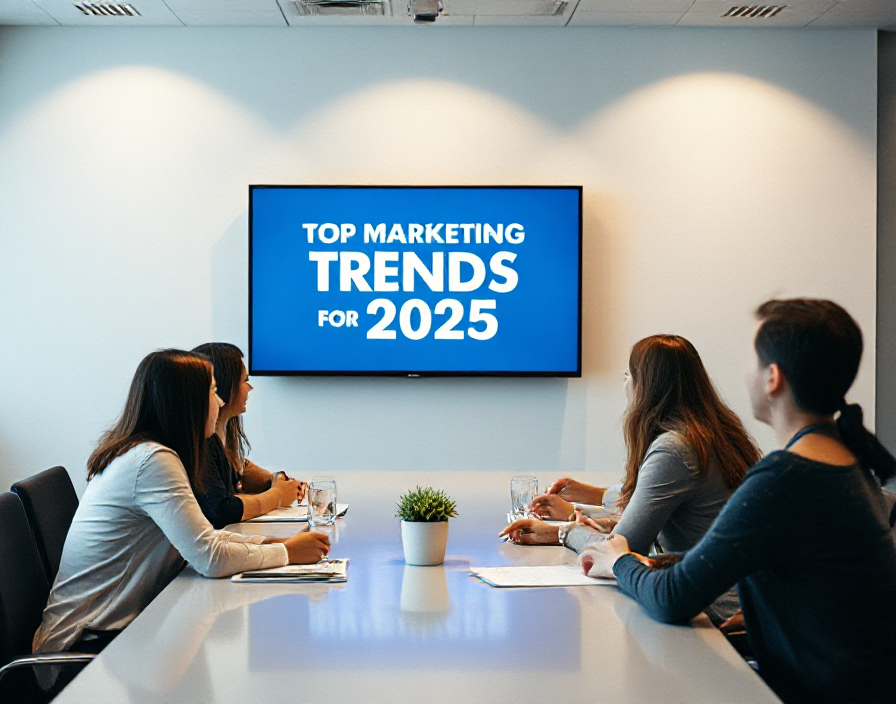
As we step into 2025, the marketing landscape is evolving at lightning speed. From AI-powered personalization to the rise of immersive experiences, brands must stay ahead of emerging trends to remain competitive. Consumers are more digitally connected than ever, and their expectations continue to shift toward authenticity, engagement, and convenience. In this post, we explore the top marketing trends shaping 2025 and how businesses can leverage them for success.
1. AI-Driven Hyper-Personalization
Artificial intelligence is no longer a futuristic concept—it’s a fundamental part of marketing. AI-driven personalization has reached new heights, allowing brands to deliver hyper-targeted content, recommendations, and ads tailored to individual preferences.
- AI-powered chatbots and virtual assistants provide real-time customer support and product recommendations.
- Predictive analytics anticipate consumer behavior, helping brands optimize marketing strategies.
- Dynamic content adapts in real-time based on user interactions, increasing engagement and conversions.
Brands that embrace AI will create more meaningful, personalized experiences, leading to higher customer satisfaction and retention.
2. Voice Search and Conversational Marketing
With the continued growth of smart speakers and voice assistants, optimizing for voice search is more critical than ever. Consumers are increasingly using voice commands to find information, shop, and interact with brands.
- Long-tail keywords and natural language optimization improve search visibility.
- Voice commerce (v-commerce) is expanding, making seamless purchasing via voice assistants a reality.
- Chatbots and AI-driven conversational marketing streamline customer interactions and boost engagement.
Brands that integrate voice search and conversational AI into their strategies will stay ahead in the digital marketplace.
3. The Rise of Immersive Experiences: AR & VR Marketing
Augmented reality (AR) and virtual reality (VR) are no longer just for gaming—they’re revolutionizing marketing. These technologies create immersive brand experiences that engage consumers in unprecedented ways.
- AR-powered try-before-you-buy experiences enhance online shopping.
- VR storytelling allows brands to transport customers into virtual environments.
- Interactive experiences increase engagement and brand recall.
Companies investing in AR and VR will gain a competitive edge by offering unique, interactive customer experiences.
4. Short-Form Video Dominance
Short-form video content continues to dominate social media, with platforms like TikTok, Instagram Reels, and YouTube Shorts leading the charge. Attention spans are shrinking, and brands must deliver engaging content in seconds.
- Authentic, unpolished content resonates more with audiences.
- User-generated content (UGC) fosters trust and brand advocacy.
- Live streaming and behind-the-scenes videos build deeper connections.
To stay relevant, brands must prioritize video marketing and leverage short-form content to captivate audiences.
5. Social Commerce and Shoppable Content
The evolution of social media has transformed it from a platform solely for engagement into a robust sales channel. With significant anticipated growth in social commerce, many platforms are incorporating seamless purchasing features.
- Instagram, TikTok, and Pinterest offer in-app shopping experiences.
- Influencer partnerships drive direct sales through social platforms.
- Interactive, shoppable posts and live commerce events enhance conversions.
Brands that optimize their social commerce strategies will turn social engagement into direct revenue streams.
6. Ethical and Sustainable Marketing
Consumers are increasingly drawn to brands that prioritize sustainability, inclusivity, and ethical business practices. Transparency and authenticity are essential for building trust.
- Eco-friendly packaging and sustainable sourcing appeal to conscious consumers.
- Brands that champion diversity and social causes strengthen brand loyalty.
- Greenwashing (false sustainability claims) is being called out—authenticity matters.
Companies that align with social and environmental values will build stronger connections with their audiences.
7. First-Party Data and Privacy-Centric Marketing
With third-party cookies fading into oblivion, brands must shift toward first-party data strategies. Privacy regulations and consumer concerns over data protection require marketers to rethink their approach.
- First-party data collection through email subscriptions, loyalty programs, and surveys.
- Transparency in data usage builds trust and enhances customer relationships.
- Contextual advertising gains traction as an alternative to cookie-based targeting.
Marketers who prioritize data privacy and ethical data collection will future-proof their strategies.
8. The Creator Economy Boom
The creator economy is thriving, with influencers, content creators, and micro-influencers shaping purchasing decisions. Brands are leveraging this trend to build authentic connections with audiences.
- Niche influencers drive higher engagement and trust than traditional celebrities.
- Co-created content between brands and influencers enhances authenticity.
- Subscription-based creator platforms (e.g., Patreon, Substack) allow deeper brand-consumer interactions.
Partnering with creators will be essential for brands looking to stay relevant and drive engagement.
9. AI-Generated Content and Automation
AI-generated content is transforming how brands create and distribute content. From automated blog writing to AI-powered social media posts, content marketing is becoming more efficient and scalable.
- AI tools like ChatGPT generate high-quality, personalized content quickly.
- Automated email campaigns improve customer journey optimization.
- AI-driven social media scheduling ensures consistent brand presence.
While AI enhances efficiency, maintaining a human touch in storytelling remains crucial for authenticity.
10. Community-Driven Marketing
Consumers crave connection, and brands that foster strong communities will thrive. Community-driven marketing focuses on building loyal brand advocates rather than just acquiring customers.
- Branded online communities create spaces for engagement and discussion.
- Exclusive memberships and loyalty programs incentivize long-term relationships.
- User-generated content strengthens brand trust and credibility.
Companies that prioritize community-building will turn customers into lifelong brand ambassadors.
Conclusion
As we enter 2025, marketing continues to evolve rapidly, driven by technology, consumer expectations, and emerging trends. Brands that embrace AI, personalization, immersive experiences, and ethical marketing will position themselves for success. Staying ahead requires agility, adaptability, and a deep understanding of consumer behavior. By leveraging these top marketing trends, businesses can create meaningful connections, drive engagement, and ultimately thrive in the ever-changing digital landscape.