
Let's face it—digital marketing can feel like trying to drink from a firehose. There are acronyms flying around like SEO, PPC, CTR, ROAS, and everyone's talking about pixels, funnels, and algorithms like it's casual coffee chat. But don't worry—whether you're a small business owner, a fresh graduate, or just curious about how brands like Nike or Netflix grab your attention online, this guide will help you get a grip on digital marketing.
Think of digital marketing as the modern toolkit for growing awareness, generating interest, and driving action online. At its core, it's about connecting with your audience in the right place and at the right time—which today means online.
What is Digital Marketing?
Digital marketing is any form of marketing that uses the internet or an electronic device. It includes strategies like:
- Search Engine Optimization (SEO)
- Content Marketing
- Social Media Marketing
- Pay-Per-Click Advertising (PPC)
- Email Marketing
- Affiliate Marketing
- Influencer Collaborations
- Marketing Automation
- Mobile Marketing
Each of these areas comes with its own set of tools, tactics, and best practices—but together, they form the ecosystem that helps businesses reach and influence their audience online.
Why Digital Marketing Matters
Let's use an analogy: If traditional marketing is like casting a wide fishing net into the ocean hoping for a good catch, digital marketing is like spearfishing—you can identify your ideal customer and deliver your message specifically to them.
- Targeted Reach: Want to reach new moms aged 28–35 in Southern California who love organic skincare? Digital marketing can make that happen.
- Cost-Effective: You don't need a Super Bowl ad budget to make a splash online.
- Measurable: Unlike billboards or flyers, you can track how many people clicked your ad, signed up, or bought something.
- Flexible and Fast: You can test, tweak, and launch campaigns in real-time.
- Mobile Friendly: With most of the internet accessed on smartphones, digital marketing meets your customers where they are.
The Pillars of Digital Marketing
- Search Engine Optimization (SEO)
SEO is like trying to win a popularity contest in Google's eyes—but you have to play by its rules. By optimizing your website's content, structure, and backend (like page speed or mobile responsiveness), you improve your chances of showing up when someone searches for a relevant keyword.
There are three main types of SEO:
- On-page SEO: Optimizing content and keywords.
- Off-page SEO: Earning backlinks and building domain authority.
- Technical SEO: Improving site speed, security (HTTPS), crawlability, etc.
SEO is a marathon, not a sprint. But when done right, it can generate long-term, organic traffic to your website.
- Content Marketing
Content marketing is storytelling with a business goal. It's blog posts, videos, podcasts, infographics—anything that provides value to your audience without directly selling.
Great content builds trust, establishes expertise, and drives traffic. The secret sauce? Consistency + quality + relevance.
Pro tip: If SEO is the engine, content is the fuel.
- Social Media Marketing
Social platforms like Facebook, Instagram, TikTok, LinkedIn, and X (formerly Twitter) are today's digital town squares. Social media marketing helps you create brand awareness, engage your audience, and sometimes even go viral.
Each platform has a different tone and audience, so tailor your content accordingly. A meme might kill on Instagram but fall flat on LinkedIn.
- Pay-Per-Click (PPC) Advertising
PPC ads are the fast track to visibility—if you're willing to pay. Google Ads and social platforms offer the ability to show your ad to specific users based on demographics, behavior, or search intent.
With PPC, you only pay when someone clicks your ad. It's measurable, scalable, and ideal for quick wins like launching a product or driving holiday sales.
- Email Marketing
If social media is the party, email is the follow-up coffee date. It's personal, direct, and still one of the highest ROI channels in digital marketing.
A good email strategy involves:
- List segmentation
- Personalization
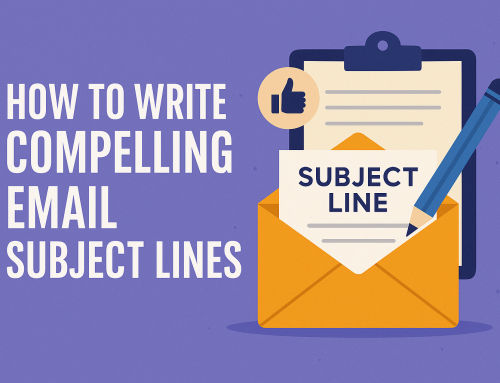
- Strong subject lines
- Clear CTAs (calls to action)
Nurture your leads. Don't spam them. Think relationships, not rapid-fire sales.
- Affiliate and Influencer Marketing
These are your digital allies. Affiliates promote your product and earn a commission on sales. Influencers lend you their audience (and credibility) in exchange for payment, product, or partnership.
Think of it as word-of-mouth marketing, but with a turbo boost from social proof.
- Marketing Automation
This is where AI and software step in to help you do more with less. Tools like HubSpot, Mailchimp, and ActiveCampaign automate repetitive tasks like:
- Sending welcome emails
- Segmenting lists
- Scoring leads
- Scheduling posts
Automation turns chaos into cohesion—and saves your sanity.
How to Get Started: A Beginner's Roadmap
- Know Your Goals
Are you trying to increase traffic? Generate leads? Boost sales? Each goal calls for different tactics. - Understand Your Audience
Build a buyer persona—age, location, job title, goals, frustrations. The better you know your audience, the better you can speak to their needs. - Choose Your Channels
Don't try to master everything at once. Start with 1–2 channels based on your goals and audience. SEO and email are great long-term plays; PPC and social media are better for short-term impact. - Build a Website (or Improve Yours)
Your website is your digital home. Make it fast, mobile-friendly, and optimized for conversions. - Create Valuable Content
Blog posts, videos, freebies—whatever helps your audience solve a problem or learn something new. - Measure Everything
Use Google Analytics, heatmaps, dashboards. What gets measured gets improved.
Key Tools of the Trade
Here are some beginner-friendly digital marketing tools:
|
Category
|
Tools
|
|
Analytics |
Google Analytics, Hotjar |
|
Email Marketing |
Mailchimp, ConvertKit, Klaviyo |
|
SEO Tools |
SEMrush, Ahrefs, Moz, Google Search Console |
|
Content Creation |
Canva, Grammarly, Notion |
|
Social Media Scheduling |
Buffer, Later, Hootsuite |
|
Ads & PPC |
Google Ads, Facebook Business Suite |
|
CRM & Automation |
HubSpot, ActiveCampaign, Salesforce
|
Final Thoughts: The Human Side of Digital
As much as digital marketing is driven by data, tools, and automation—it's ultimately about people. Behind every click is a real person with hopes, questions, and a decision to make. Be helpful. Be human. Be consistent.
Digital marketing is not a one-size-fits-all. It's more like a buffet—try different strategies, see what works for your brand, and double down on what delivers results.
And remember: Everyone starts somewhere. Even the marketing pros once googled what SEO stood for.
You've got this.